
Product guide
Relay Socket Terminals: Screw, Push-In or Spring Clamp?
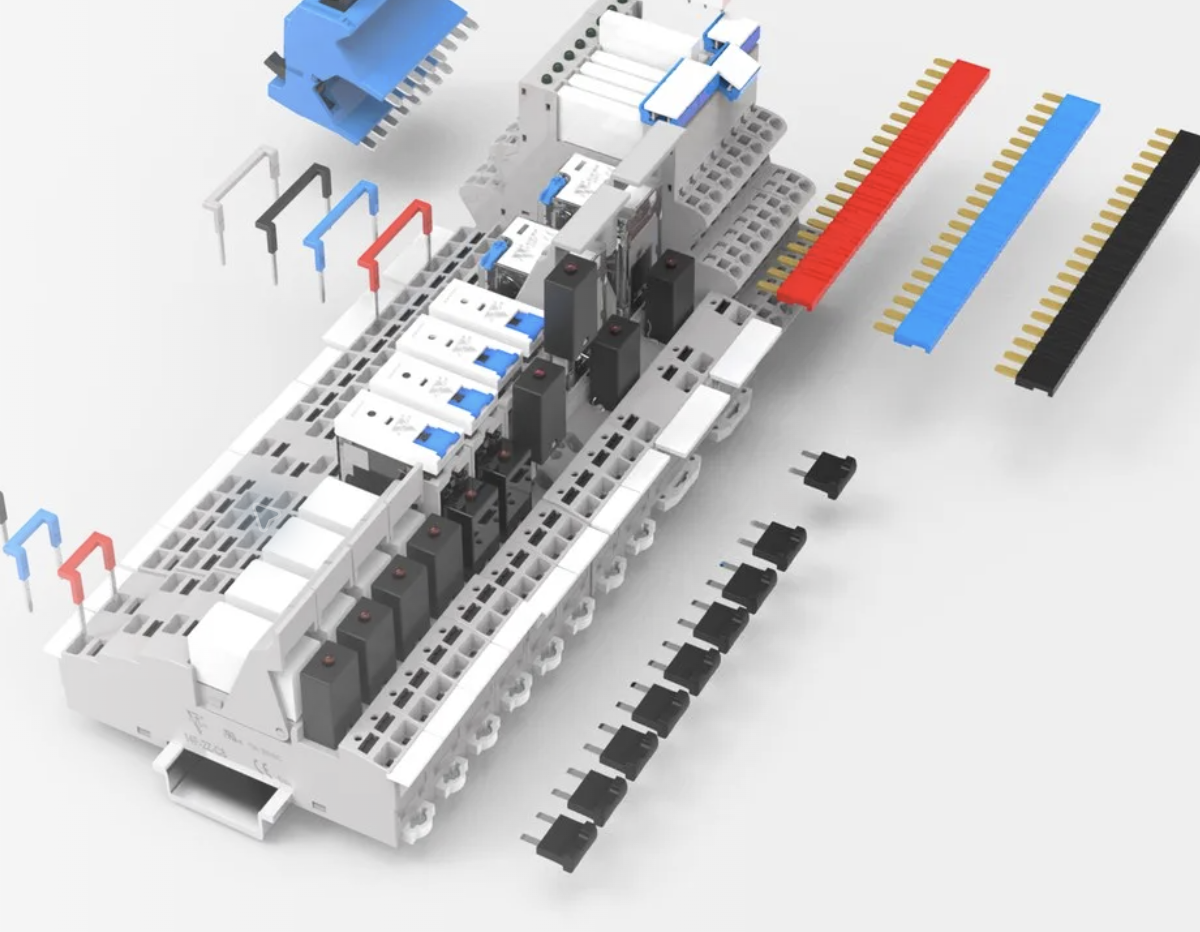
Compare relay socket terminal methods by conductor preparation, assembly tools, service access and the requirements of your panel.
In this article
The relay footprint determines which socket fits; the terminal design determines how conductors are connected. Screw, push-in and tool-operated spring-clamp terminals each need their own preparation and installation method.
Compare the connection methods.
| Method | How it connects | What to verify |
|---|---|---|
| Screw terminal | A screw-operated clamp retains the conductor | Permitted wire and ferrule, stripping length and specified tightening torque |
| Push-in terminal | A spring retains a suitable directly inserted conductor | Which conductors allow direct insertion and how to operate the release |
| Tool-operated spring clamp | A tool or mechanism opens the spring for insertion | Correct opening point, conductor preparation and release access |
Push-in is also a spring connection.
The distinction is the insertion method, not the absence of a spring. Whether fine-stranded wire can be inserted directly depends on the terminal and ferrule. Avoid broad claims that every push-in connection is tool-free for every wire.
Choose for the assembly process.
Consider conductor types, tooling, available access and expected rework. Compare actual assembly time using the specified components rather than assuming a fixed percentage saving. Vibration performance and maintenance instructions must come from the product data, not the terminal name alone.
Match the whole relay assembly.
Check relay pinout, pole count, coil accessories and the ratings of both socket and relay. Allow room for retention, markings and wire bends. Inspection remains necessary for damaged conductors, contamination or other panel issues even where the terminal requires no periodic retightening.
For a concrete comparison, view 18F screw-type sockets, 18F push-in sockets and 18F spring-clamp sockets. Provide the relay part number and conductor specification with your enquiry.
Product examples
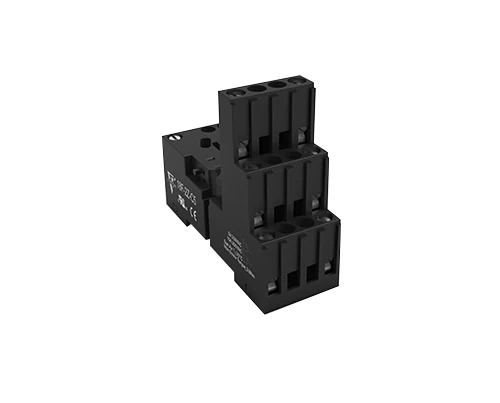
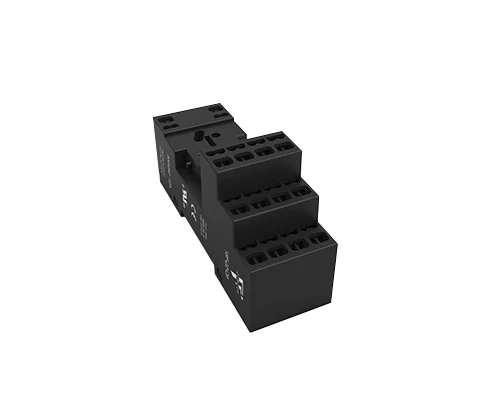
Choose terminals for the actual assembly process
Compare terminal methods using the conductors, tools and service access available in your panel build. Keep relay compatibility as a separate mandatory check.
| Check | Information to record |
|---|---|
| Conductor preparation | Wire type, cross-section and permitted ferrule arrangement. |
| Assembly access | Tools needed for insertion, tightening or release. |
| Service process | Relay replacement, wire rework and access to identification. |
Does a spring connection eliminate all panel inspection?
No. Follow the manufacturer's maintenance instructions and inspect for damaged wiring, contamination and other installation problems. The terminal mechanism alone does not eliminate those checks.
Explore the products
Catalogue examples from the ranges discussed. Open a model to check its configuration and technical details.
Request model drawings and selection support
